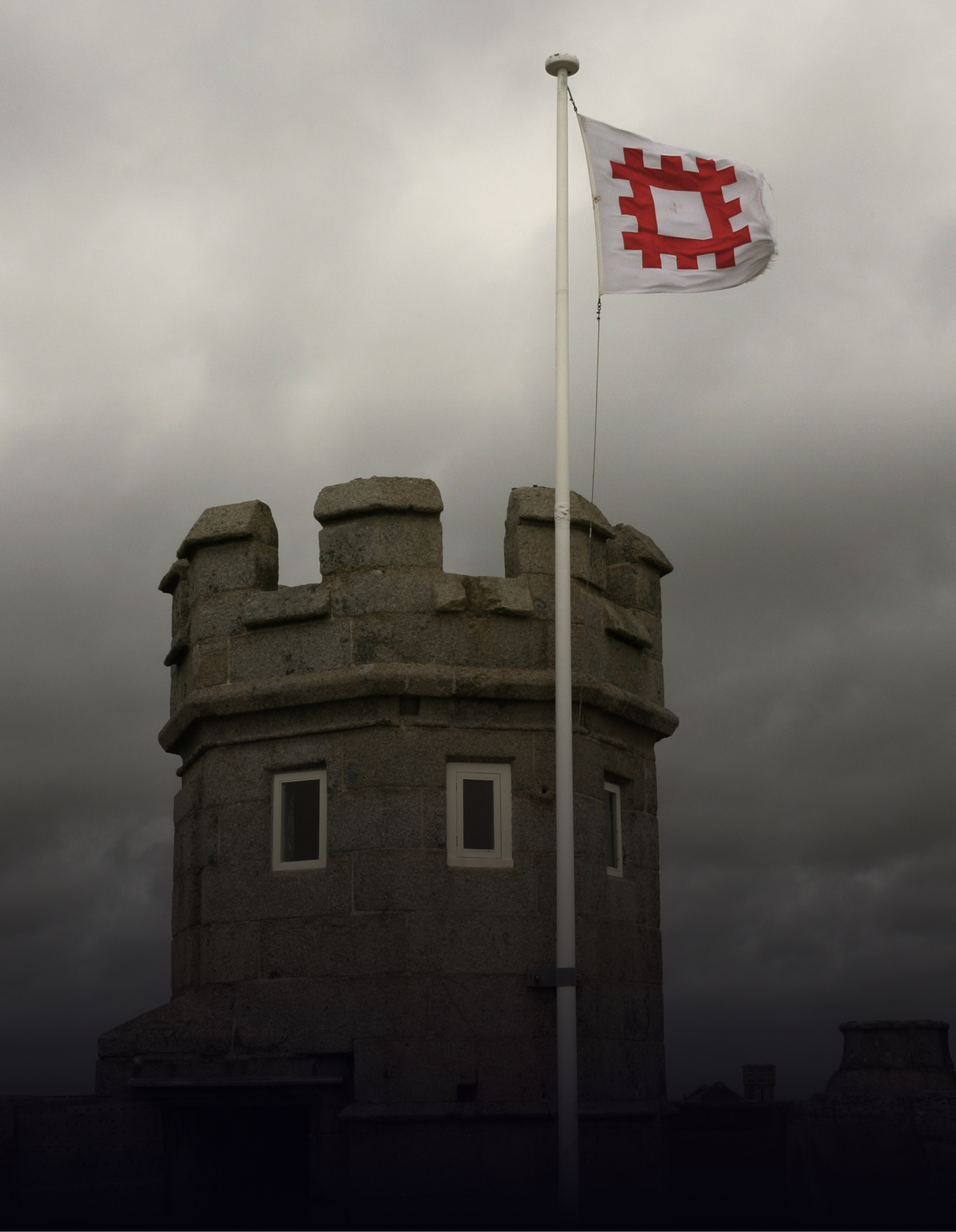
Observing Flags and What They Represent
Observing Flags and Deciphering What They Represent in Global Identity
For millennia, the physical act of waving a flag has served as one of humanity’s most immediate and potent visual forms of communication. These pieces of colored cloth are far more than mere decorative banners; they are intricate semiotic devices—visual shorthand that condense entire histories, complex political philosophies, deeply held cultural beliefs, and massive populations into a single rectangular canvas. When we study vexillology, the academic discipline dedicated to the design and history of flags, we are essentially learning to read a silent language of power, identity, and aspiration. Every color choice, every geometric shape, and even the pattern of division holds intentional meaning crafted by generations of political leaders and cultural custodians. Learning to observe these symbols requires us to pause our automatic recognition and engage with them critically, understanding that they function as potent visual manifestos, telling stories far grander than their physical size suggests.
The Deep Purpose: How Flags Define Sovereignty and Unity
At their most basic level, flags serve to establish boundaries—a claim of belonging to a specific territory, government, or nation. They are the ultimate visual declaration of sovereignty, marking where one jurisdiction ends and another begins. However, their symbolic power transcends simple territorial demarcation. Flags operate as powerful unifying agents that bring diverse groups of people together under a shared banner of collective identity. This shared symbolism fosters a profound sense of ‘we-ness,’ which is psychologically crucial for maintaining social cohesion and national morale. When the flag is raised, it acts as a visual catalyst, momentarily suppressing internal divisions—be they ethnic, political, or regional—and uniting citizens toward a singular, aspirational goal. The flags thus become powerful psychological anchors, acting as physical embodiments of abstract concepts like democracy, freedom, history, and shared destiny. This function demonstrates that the flag is not merely representative of people; it attempts to *generate* them by giving them a visible focal point around which they can gather their collective identity and purpose.
Deconstructing the Visual Language: Color, Symbolism, and Geometry
- The Power of Color: Colors are rarely chosen randomly; they carry deep historical or cultural weight. For instance, blue often symbolizes peace, loyalty, and vastness (like the sky or ocean), while red frequently represents struggle, revolution, passion, or blood sacrifice. The interplay between these colors determines the emotional resonance and moral stance of the entire design.
Beyond color, flags incorporate symbols—stars, animals, trees, celestial bodies, historical weapons, and people—each carrying specific cultural meaning that must be studied within its originating context. A star might represent divine guidance or a group of constituent states; an eagle could signify strength and vision, linking back to ancient imperial traditions. The combination of these elements is what makes the flag a complex piece of visual rhetoric. Furthermore, the geometry itself matters: horizontal lines often symbolize stability and equal division among different groups, while vertical stripes can suggest a progressive movement or segmented structure. By understanding that every element has been placed there with intent—to communicate a specific narrative to both its own citizens and to external observers—we learn to view flags not as static objects, but as dynamic repositories of cultural history, political struggle, and deeply rooted ideals.
Beyond Borders: Examining Universal and Unique Meanings
While many fundamental symbols (like the color white signifying peace or black representing strength) have near-universal interpretations, flags also serve to highlight unique cultural narratives that are entirely specific to their creators. The process of creating a national flag itself is often steeped in revolutionary struggle; the original design might reflect a military victory, an alliance formed under duress, or a literary movement. These historical origins infuse the symbolism with palpable gravity and meaning, making them sacred texts in visual form. For example, some flags incorporate indigenous symbols that speak directly to deep ancestral roots and connection to the land, serving as powerful counter-narratives to purely colonial or industrial designs. This variability shows that while global communication can use shared color language, the deeper truths are always rooted in localized history and specific cultural experience. Recognizing this spectrum allows us to move past superficial recognition and instead appreciate the vast tapestry of human storytelling woven through textiles.
The People as the Ultimate Symbol
Crucially, a flag represents people before it can represent anything else. The collective will, the shared struggles, and the common aspirations of the citizenry are what give the cloth its power. When a population feels that their most deeply held values—be they freedom, justice, or prosperity—are embodied in a symbol, they become fiercely protective of that visual language. The flag thus becomes a powerful emotional conduit: it is the physical manifestation of the collective imagination and enduring hope for a better future. Therefore, observing a flag should never stop at identifying its components; it must prompt us to ask about the people who created it, the history it memorializes, and the shared ideals it perpetually strives to uphold in the face of change and challenge across generations.
The Ongoing Lesson: Seeing Symbols for What They Truly Are
To truly become an adept observer of flags is to become a more sophisticated cultural reader. It means moving past the simple act of identification—knowing *which* flag it is—and progressing toward interpretation—understanding *what* that flag fundamentally represents and what story its design is attempting to convey about power, unity, and destiny. By observing these symbols with an open mind, we train ourselves to look deeper into all human constructs: recognizing the unspoken rules in a boardroom meeting, understanding the hidden dynamics in a community gathering, or perceiving the underlying values expressed through art. Ultimately, the practice of studying flags teaches us that nothing is accidental; everything—the color choice, the placement of a single star, the simple division line—is a deliberate communicative act. This heightened sense of visual and cultural literacy enhances our ability to navigate complex human interactions with greater depth, sensitivity, and understanding for the immense power of shared symbols in shaping both individual lives and global destinies.