

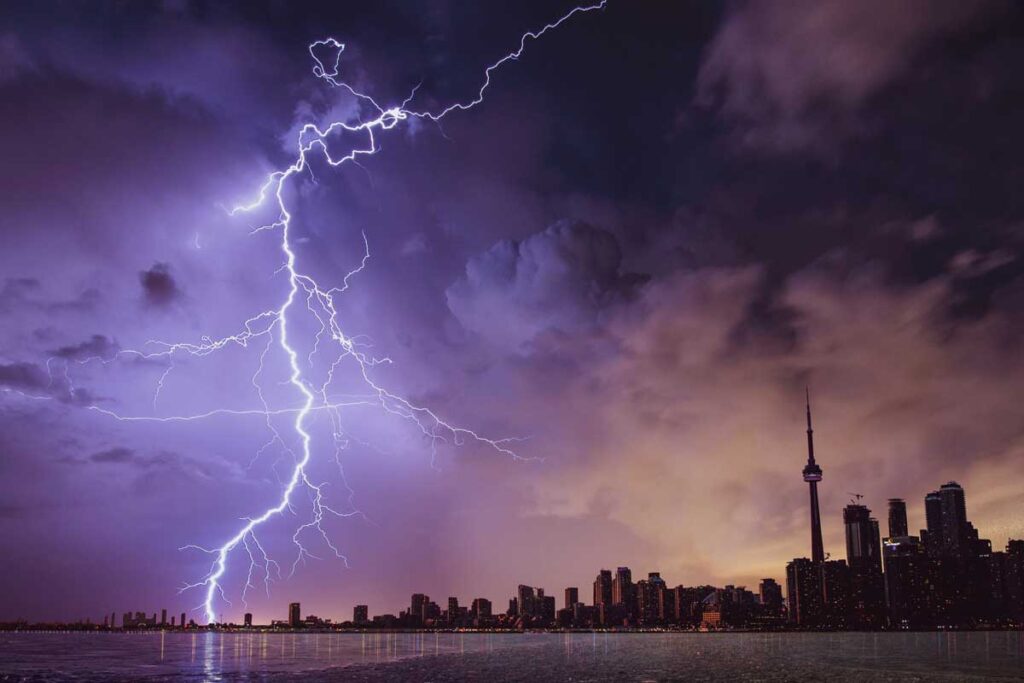
Dramatic footage shows house collapsing due to thunderstorm
Dramatic Footage Captures the Terrifying Moment a House Collapses During a Severe Thunderstorm
When severe weather rolls through a community, the atmospheric display of lightning and thunder is usually accompanied by an invisible, highly destructive force: high-velocity wind gusts. Recent dramatic video footage capturing a home collapsing mid-storm has once again put the raw, unpredictable power of nature on stark display across social media and news feeds.
These chilling clips—frequently recorded by nearby residents, dashcams, or security cameras—serve as a sobering reminder of how quickly structural integrity can fail when Mother Nature unleashes severe thunderstorm conditions.
Understanding the mechanics behind these dramatic collapses requires looking closely at how extreme wind loads interact with residential architecture, why certain structures fail, and the critical safety lessons homeowners must keep in mind when severe weather warnings are issued.
The Invisible Catalyst: High Winds and Sudden Gusts
While lightning and torrential rain often steal the headlines during a severe thunderstorm, it is the sudden spikes in barometric pressure and violent wind gusts that pose the greatest threat to physical structures.
Meteorological agencies frequently record wind speeds ranging from 50 to over 70 miles per hour during severe convective storms. When these powerful gusts slam into a neighborhood, they do not simply push against the exterior walls; they create complex aerodynamic pressures:
-
Positive Wall Pressure: Direct hits from high winds push heavily against the windward side of a structure, exerting immense lateral force on exterior walls.
-
Negative Roof Suction: As fast-moving air accelerates over and around a pitched roof, it creates a vacuum effect, pulling upward with tremendous force capable of ripping off roofing materials or entire roof decks.
-
Vulnerability in Unfinished Structures: Homes currently under construction or in early framing phases lack the stabilizing support of interior drywall, sheathing, and permanent roof anchoring, making them exceptionally vulnerable to sudden shear forces.
When these competing pressures exceed the structural load limits of a building, a collapse can happen in a matter of seconds, transforming a sturdy building site into a heap of splintered wood and debris.
Why Weather Footage Goes Viral
The proliferation of smartphones, doorbell cameras, and neighborhood security systems means that catastrophic weather events are rarely missed by a lens. When dramatic videos of structural failures surface online, they instantly capture global attention for several psychological and visual reasons:
-
The Element of Surprise: The stark contrast between a calm neighborhood street and a sudden, violent structural collapse creates instant visual shock value.
-
The Physics of Failure: Watching a multi-story frame buckle layer by layer triggers morbid curiosity, drawing comparisons in public comments to classic fables or engineering puzzles.
-
A Warning Beacon: For emergency management agencies, viral footage acts as an urgent, unfiltered broadcasting tool, demonstrating why local authorities issue severe weather warnings and evacuation advisories.
However, beyond the viral engagement metrics, these videos highlight the very real dangers faced by communities living in storm-prone regions.
Essential Safety Protocols When Severe Thunderstorms Strike
When the National Weather Service issues severe thunderstorm warnings or high-wind advisories, taking immediate precautions can mean the difference between safety and disaster. Whether you are at home, at work, or on a job site, adhering to strict safety protocols is essential:
1. Secure Outdoor Living Spaces
Long before a storm arrives, secure patio furniture, potted plants, trampolines, and garden tools. Unsecured items can easily become high-speed projectiles capable of shattering windows or compromising exterior siding during heavy wind gusts.
2. Move to Interior Safe Zones
If you are inside a residential home during high-wind events, immediately move away from large glass windows and sliding doors. Interior rooms on the lowest level—such as a ground-floor hallway, bathroom, or interior closet—provide the safest shelter from flying debris and potential structural shifts.
3. Construction Site Vigilance
For contractors and framing crews, safety protocols must include monitoring local radar actively. If severe wind warnings are issued, work on unfinished, unbraced structures should be paused immediately, and personnel must seek sturdy, fully enclosed shelter well before the storm front arrives.
The Role of Modern Engineering and Building Codes
Incidents involving structural failures during severe storms often spark important conversations among civil engineers, local municipalities, and building code enforcement agencies. As severe weather events become more frequent and erratic due to shifting global climate patterns, building standards must continuously evolve.
Modern residential construction increasingly relies on reinforced hurricane ties, anchor bolts, continuous load paths, and specialized structural sheathing designed to tie the foundation, walls, and roof together into a single, cohesive unit. These engineering advancements significantly increase a home’s resistance to uplift and shear forces, helping newer structures withstand the punishing winds that easily topple older or unfinished builds.