

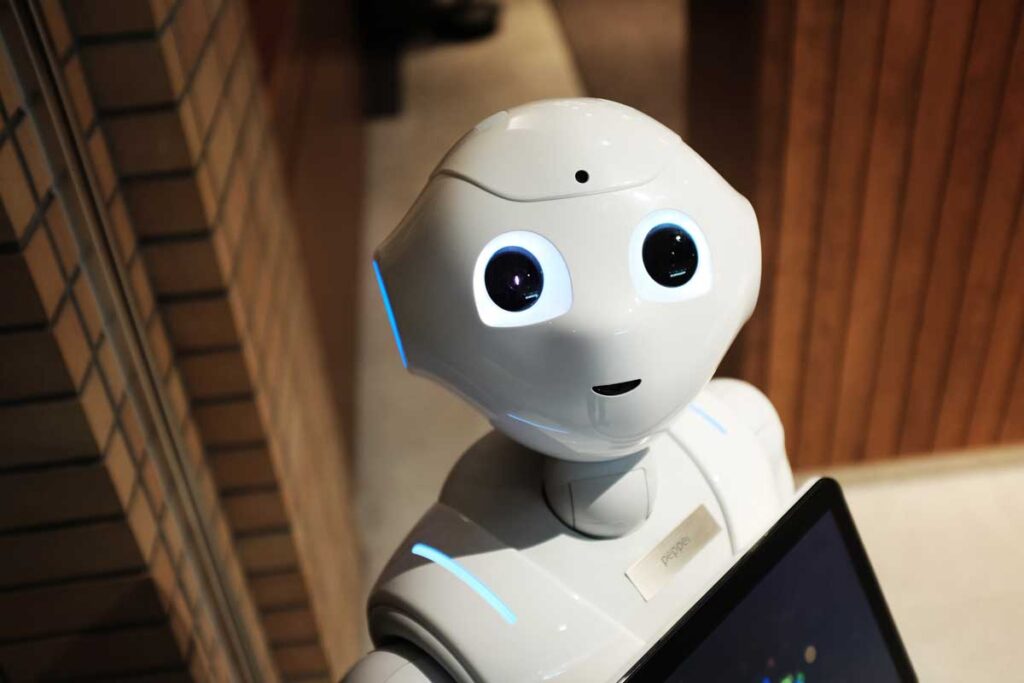
Why restaurant chains are investing in robots over workers?
Why Restaurant Chains Are Investing in Robots Over Workers
The fast-food and casual dining landscapes are undergoing a profound operational transformation. Walking into a modern quick-service restaurant (QSR) or reading corporate earnings reports reveals an unmistakable trend: major restaurant chains are aggressively investing in automation, artificial intelligence, and physical robotics.
Far from being a futuristic gimmick restricted to science fiction, robotic integration has become a core business strategy. From automated kitchen flippers and high-speed salad-dispensing units to autonomous food runners and digital self-service kiosks, restaurant brands are fundamentally reshaping how food is prepared and served.
Understanding this massive shift requires examining the convergence of economic pressures, labor constraints, technological maturity, and evolving consumer habits driving brands away from traditional staffing models and toward automated solutions.
The Economic Pressures: Rising Labor Costs and Chronic Shortages
The primary catalyst accelerating restaurant automation is economic. Over the past several years, the restaurant industry has faced unprecedented financial headwinds, driven by structural labor shortages and legislative mandates raising minimum wages across numerous states and municipalities.
Finding reliable staff willing to work grueling shifts for entry-level pay has become an ongoing challenge for franchise owners and corporate executives alike. High turnover rates mean restaurants constantly sink time and money into recruiting, hiring, and onboarding workers, only to face the cycle again a few months later.
Robotic automation and specialized software offer a permanent structural fix to this volatile labor market. While upfront capital expenditure for robotics can be substantial, automated systems do not require health insurance, paid time off, or overtime compensation. They do not arrive late, call in sick, or quit unexpectedly during peak Friday night rushes. For multi-unit corporate chains operating on razor-thin profit margins, eliminating these labor vulnerabilities provides a predictable, stable financial baseline.
Maximizing Speed, Accuracy, and Operational Consistency
In the fast-food industry, speed and consistency dictate success. Human workers, despite their best efforts, are prone to fatigue, distraction, and human error during long, high-stress shifts. Orders get mixed up, ingredients get mismeasured, and cooking times can vary.
Robotic systems eliminate these variables entirely:
-
Absolute Recipe Consistency: Automated equipment follows programmed instructions down to the exact second and gram, ensuring that a burger or salad tastes identical whether purchased in New York, Miami, or Los Angeles.
-
Error Reduction: Automated routing and digital preparation eliminate order mix-ups, reducing costly remakes and food waste.
-
Unmatched Execution Speed: Specialized robotic units can perform repetitive kitchen tasks faster than human counterparts, maintaining peak operational throughput even during sudden lunch and dinner rushes.
This relentless consistency protects brand reputation. Customers return to national chains expecting a reliable, repeatable experience, which automated preparation guarantees every single time.
Advanced Kitchen Automation and Front-of-House Tech
Automation is not limited to a single station; it has expanded across both the back-of-house (BOH) and front-of-house (FOH) environments.
Back-of-House Cobots and Frying Assistants
In the kitchen, collaborative robots—often called “cobots”—are taking over hot, dangerous, and monotonous duties. Automated frying systems, such as specialized robotic arms designed to manage fry baskets, drop, shake, and lift food items precisely when timers expire. This reduces kitchen burns, lowers slip-and-fall injuries, minimizes smoke and grease exposure, and frees up human employees to focus on complex food assembly or hospitality tasks. Similarly, automated pizza makers and high-speed bowl-assembly lines are slashing prep times from minutes to seconds.
Self-Service Kiosks and Digital Ordering Growth
In the front of house, digital self-order kiosks and mobile apps have largely replaced traditional cashiers. Major brands like McDonald’s, Wendy’s, and Panera Bread have integrated digital kiosks system-wide. These interfaces allow customers to customize meals precisely to their liking without feeling rushed by a human cashier, drastically reducing lines and front-counter congestion during peak hours.
Boosting Profit Margins and Average Order Sizes
Beyond simply cutting labor overhead, automation directly increases revenue generation. Data across multiple major restaurant chains indicates that customers order differently when interacting with a screen rather than a human employee.
Digital ordering platforms and kiosks naturally incorporate intelligent upselling algorithms. When a customer selects a burger on a digital display, the system instantly prompts them to add cheese, bacon, an extra patty, or upgrade to a premium side and drink. Because digital menus never forget to upsell and never feel awkward recommending add-ons, average ticket sizes increase significantly. For example, digital app and kiosk orders routinely generate higher average transaction totals compared to traditional counter orders.
Furthermore, high-volume automated locations—such as automated bowl assembly lines deployed by progressive fast-casual brands—report significantly higher profit margins than traditional human-staffed restaurants, proving that automation directly enhances the bottom line.
Restructuring the Modern Restaurant Workforce
Despite widespread fears that robots will entirely eradicate human jobs in food service, industry analysts view the trend primarily as task restructuring rather than total job elimination.
Rather than firing human teams, progressive restaurant operators are redeploying their remaining staff. While robots and kiosks handle repetitive, back-breaking, or mechanical tasks—such as chopping vegetables, flipping patties, and pouring drinks—human employees are shifted toward roles that require emotional intelligence, customer hospitality, creative problem-solving, and quality assurance.
Ultimately, restaurant chains are investing in robots not to strip the human element entirely from dining, but to build a more resilient, profitable, and efficient operating model that can thrive amidst rising costs and labor scarcity. As technology becomes more accessible and cost-effective, this robotic evolution will continue to redefine the future of global dining.